
Access Routes Built for Heavy Loads
Driveway and Road Construction in Naches for residential access and rural property connections
Driveways fail when base material lacks sufficient depth, drainage paths allow water to undercut the roadbed, or surface grading creates low spots that trap moisture and accelerate freeze-thaw damage. Grading and base installation determine whether your driveway supports delivery trucks and equipment without rutting, cracking, or washboarding within the first few seasons. All Valley Land Managment & Excavation prepares driveways and access roads across Naches by excavating unsuitable topsoil, installing compacted aggregate base, and establishing crown or cross-slope that sheds water before it saturates subgrade layers.
Road construction begins with clearing the alignment, removing organic material that compresses under load, and excavating to subgrade depth specified by soil bearing capacity and expected traffic. Aggregate base is placed in lifts and compacted to create a stable platform for asphalt or gravel wearing surfaces. In Naches, seasonal moisture from snowmelt and irrigation runoff requires culverts, roadside swales, or French drains to intercept water before it reaches the roadbed.
Request an on-site consultation to evaluate access routes, drainage patterns, and soil conditions before construction begins.
A properly constructed base distributes wheel loads across a wider area, preventing concentrated pressure that punches through into soft subgrade. Base thickness ranges from 6 to 12 inches for residential driveways, increasing to 18 inches or more for roads serving agricultural equipment or logging trucks. Compaction testing verifies density meets engineering specifications, which directly affects how long the surface remains smooth under repeated loading.
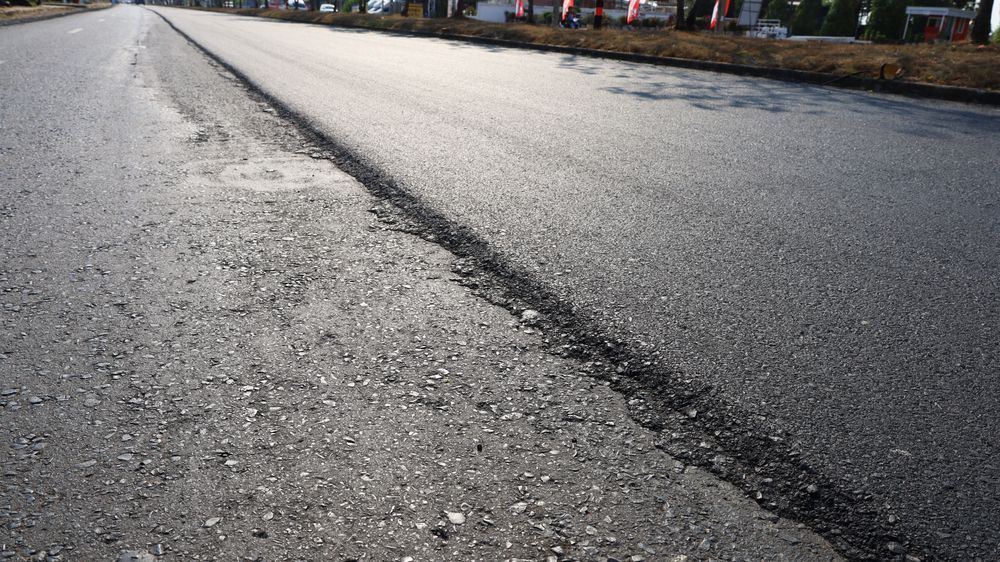
Once construction finishes, you'll see a firm, level surface with consistent cross-slope that drains water toward ditches or collection points. Ruts no longer form during wet weather, vehicles maintain traction on grades, and frost heaving diminishes because drainage prevents water from pooling in base layers. All Valley Land Managment & Excavation grades approaches to match existing roadways and establishes transitions that prevent abrupt elevation changes where driveways meet public rights-of-way.
Road projects also include turnarounds for emergency vehicles, pull-offs where terrain limits passing zones, and erosion control along cut-and-fill slopes. Residential driveways may incorporate parking areas, equipment pads, or pathways to outbuildings, requiring coordination with site plans and utility locations to avoid conflicts.
Common Questions About This Service
Driveway and road construction in rural settings addresses terrain challenges, seasonal access needs, and material selection suited to local climate patterns.
What base material works best for driveways in Naches?
Crushed aggregate with angular particles compacts tighter than rounded gravel, creating interlock that resists lateral movement under wheel loads and maintains stability during freeze-thaw cycles common in the region.
How does slope affect construction methods?
Grades steeper than 10 percent require stabilization techniques such as geotextile reinforcement, deeper base sections, or surface treatments that improve traction and prevent erosion during runoff events.
When is the best time to build access roads?
Late spring through early fall provides dry soil conditions that allow proper compaction, though projects can proceed year-round if weather permits equipment access and material suppliers can deliver aggregate on schedule.
How wide should rural driveways be constructed?
Single-lane residential driveways typically range from 10 to 12 feet, while two-lane access roads require 18 to 20 feet to allow vehicle passing without encroaching on ditches or destabilizing road edges.
What maintenance extends driveway lifespan?
Regrading surfaces every few years to restore crown, filling potholes before they expand, and clearing drainage structures prevent water infiltration that softens base layers and accelerates surface deterioration.
All Valley Land Managment & Excavation designs access routes that balance construction costs with long-term durability, accounting for vehicle types, traffic frequency, and property-specific drainage requirements. Call (509) 929-0018 to discuss alignment options and material specifications for your project.