
Footings That Support Decades of Structural Load
Foundation Excavation in Naches for stable support beneath residential and commercial structures
Proper foundation work begins below grade, where every cut and measurement directly affects how loads transfer through the structure above. All Valley Land Managment & Excavation performs foundation excavation across Naches, preparing trenches and footings that meet the dimensional and soil compaction standards required by building codes. Contractors rely on this precision when steel and concrete arrive, because footings cut even two inches out of tolerance can require costly adjustments or create settling issues years later.
Foundation excavation removes soil to specified depths and widths, creating level surfaces where footings will bear against undisturbed earth or engineered fill. The process accounts for frost depth requirements, soil bearing capacity, and drainage paths that prevent water from pooling against foundation walls. In Naches, soil conditions vary from rocky volcanic material to alluvial deposits near waterways, which means excavation depth and base preparation differ depending on what geological survey or geotechnical analysis reveals about your site.
Request a site assessment to review soil conditions and footing specifications before excavation begins.
Footings work by distributing vertical loads across a wider surface area, reducing pressure per square inch on the soil below. Excavation must reach stable soil or bedrock capable of supporting that pressure without compressing over time. If the trench bottom sits on loose fill or organic material, the soil compresses unevenly under load, causing differential settling that cracks foundation walls and distorts door frames.
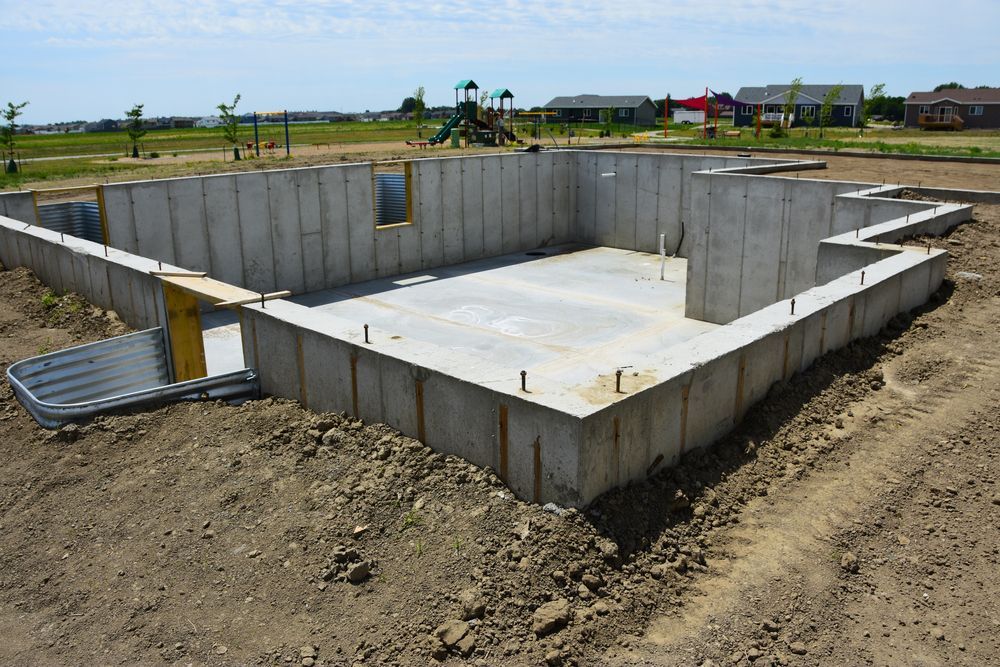
Once excavation reaches the specified depth, you'll see level trench bottoms free of loose debris, with compacted base material where codes require it. Corners are square, widths match footing dimensions, and drainage provisions direct groundwater away from the excavation zone. All Valley Land Managment & Excavation verifies these measurements before concrete crews arrive, because rework after forms are set multiplies labor costs and delays construction schedules.
Residential projects typically use continuous footings that support perimeter walls, while commercial builds may require isolated pad footings beneath columns or grade beams connecting multiple pads. Excavation plans also account for utility penetrations, sump locations, and access routes for concrete trucks, so the site remains functional during all phases of foundation construction.
Questions Before Starting Foundation Work
Foundation excavation in Naches involves coordination with structural engineers, concrete suppliers, and building inspectors who verify compliance before pouring begins.
What determines the depth of foundation excavation?
Depth depends on frost line requirements, soil bearing capacity, and the engineer's structural calculations. In Naches, frost depth typically requires footings below 18 inches, though higher elevations or exposed sites may need deeper excavation to prevent frost heaving.
How does soil type affect excavation methods?
Rocky volcanic soils require hydraulic breakers or rippers, while softer alluvial soils excavate faster but may need base compaction or geotextile reinforcement to prevent settling under load.
When should excavation occur relative to other site work?
Excavation happens after clearing and rough grading establish drainage patterns, but before utility trenching that could undercut footing zones or create weak spots in base material.
What access does excavation equipment need?
Track excavators and dump trucks require stable routes wide enough for turning and positioning, which means grading access roads and coordinating with utility contractors to avoid conflicts during mobilization.
How are footing dimensions verified before concrete placement?
Measurements are checked against foundation plans using string lines and laser levels, with inspections confirming trench width, depth, base compaction, and rebar placement before concrete is ordered.
All Valley Land Managment & Excavation coordinates excavation schedules with foundation contractors and building departments to maintain project timelines. Schedule a consultation to review your foundation plans and site-specific soil conditions at (509) 929-0018.