
Lines Installed Without Disturbing Finished Surfaces
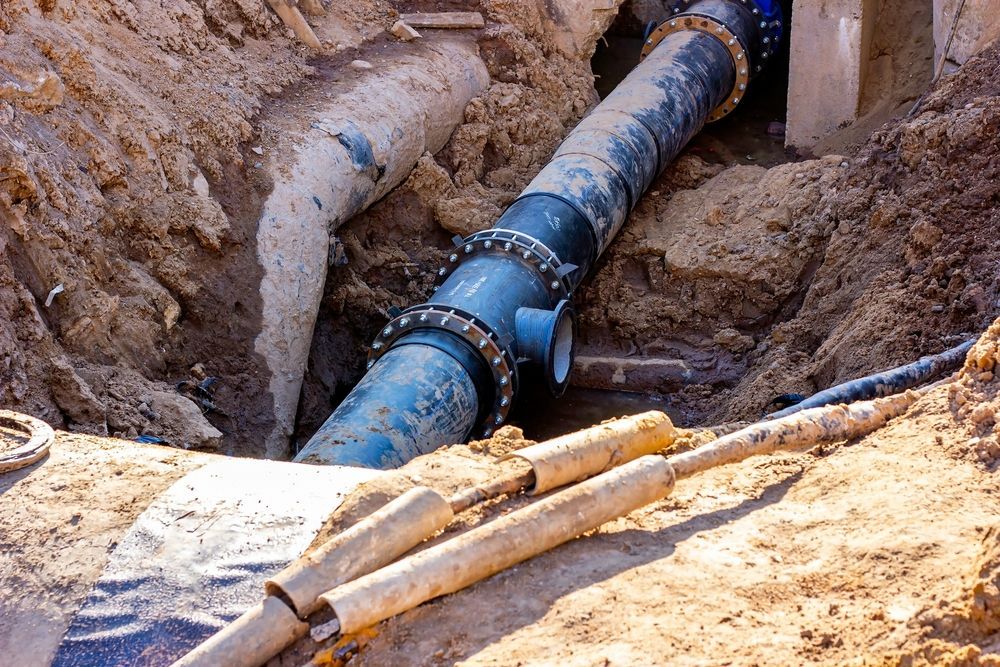
Trenching and Utility Installation in Naches for water, electrical, and septic systems beneath residential and commercial properties
Utility lines fail when trenches are cut too shallow, backfilled with unsuitable material, or routed through unstable soil that shifts under seasonal moisture changes. All Valley Land Managment & Excavation excavates trenches across Naches with attention to depth codes, separation requirements between conflicting utilities, and compaction standards that prevent settling above buried lines. Electrical conduit crushed by poor backfill or water lines exposed by erosion create expensive repairs that disrupt landscapes and delay occupancy permits.
Trenching removes soil in narrow channels, typically 12 to 36 inches wide depending on pipe diameter and bedding requirements. Water lines require minimum depths below frost penetration, electrical conduit follows NEC burial standards, and septic lines maintain gravity fall across the trench length. In Naches, winter frost and summer drought cycles cause soil movement that stresses improperly bedded utilities, which makes trench preparation and backfill selection critical for long-term performance.
Arrange a site walkthrough to map utility routes and identify conflicts with existing infrastructure before trenching begins.
Utilities last when trenches provide stable bedding, adequate cover, and backfill that compacts uniformly without creating voids. Trenching starts with locating existing lines through utility notification services, then excavating along marked routes while maintaining trench wall stability. Rocky soil may require bedding sand to cushion pipes, while clay soils need select backfill to prevent differential settling.
After installation, you'll notice restored grade across utility paths, with no depressions or mounding that indicates poor compaction. Trench routes avoid root zones of mature trees, respect setback distances from structures, and incorporate cleanouts or access points where codes mandate future serviceability. Coordination with plumbers, electricians, and septic installers ensures each trade completes connections before backfilling proceeds.
Trenching projects also include saw-cutting pavement where utilities cross driveways, installing warning tape above buried lines, and documenting as-built locations for property records. Septic trenches additionally require percolation testing and health department inspections, while electrical trenches may need separate phases for primary and secondary conduit runs.
Answers to Frequent Service Questions
Utility trenching balances code compliance with site constraints like slopes, existing landscaping, and seasonal access limitations common in rural areas.
What depth do utility trenches need in Naches?
Water lines typically require 36 inches to stay below frost depth, electrical conduit ranges from 18 to 24 inches depending on voltage and conduit type, and septic lines follow slope requirements that may dictate varying depths across the trench run.
How is trench width determined?
Width accommodates pipe diameter plus bedding material on each side, typically adding 12 inches to the pipe width to allow proper compaction around the utility without damaging pipe walls or joints.
When should trenching happen relative to other construction phases?
Trenching occurs after building foundations are poured but before final grading and landscaping, allowing utilities to connect to structures while minimizing damage to finished surfaces.
How does soil type affect backfill requirements?
Rocky or clay soils often require imported select fill that compacts uniformly, while sandy soils may reuse excavated material if free of organic debris and large rocks that create voids.
What coordination is needed with utility contractors?
All Valley Land Managment & Excavation schedules trenching to match trade availability, provides access for inspection at key stages, and sequences backfilling so each utility completes testing before cover is placed.
All Valley Land Managment & Excavation works with engineers, utility districts, and specialty contractors to complete trenching projects that pass inspection without rework. Schedule an evaluation to map utility requirements specific to your property layout and soil conditions.